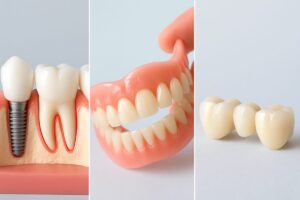

If you’re planning dental implants but worried about the cost, this guide will walk you through practical options for dental implant financing in Denver, CO, why financing matters, and how to get a clear written cost estimate before you commit. You’ll learn common loan types, what drives the price, how to compare plans, steps to apply, and what red flags to watch for so you can make a safe, affordable choice.
What is dental implant financing?
Dental implant financing lets you spread the cost of implant treatment over time instead of paying everything up front. Common options include in-house payment plans, third-party patient lenders, personal loans, and using HSAs or credit cards. Patients use financing because implant care can be staged (surgery first, restorations later) and often has a high up-front cost. Typical total cost ranges: one implant with crown $3,000–$6,000; multiple implants $6,000–$20,000+; full-arch reconstructions $20,000–$60,000+ depending on materials and steps.
How dental implant costs drive financing needs
Single tooth vs. multiple implants vs. full-arch
Replacing a single tooth usually costs less and requires a smaller monthly payment. Multiple implants raise the price and may require larger loans or longer terms. Full-arch or “all-on” treatments are the most expensive and often need the largest financing plans. The treatment scope affects down payment size, loan term, and monthly payments.
Additional procedures that raise costs
Bone grafts, sinus lifts, extractions, CT scans, and temporary restorations add to the bill. These are common with implants and can increase the total by hundreds to thousands of dollars. When budgeting, include diagnostics, any preparatory surgeries, lab fees, and temporary prosthetics so your financing covers the full plan.
Common financing options
Dental insurance and what it may cover
Many dental plans limit or exclude implant coverage. If implants are covered, it’s often a partial benefit with yearly caps. Supplemental dental insurance or specific rider plans may help but check limits and waiting periods. Insurance can lower out-of-pocket costs but rarely covers full implant treatment.
In-house payment plans
Some practices split costs across visits or offer monthly plans managed by the office. Typical setups ask for a down payment (10–30%) and fixed monthly payments over a set term. Pros: simple, one-place billing, often no credit check. Cons: may have shorter terms or higher monthly amounts than third-party loans.
Third-party patient lenders (CareCredit, LendingClub, others)
Patient lenders offer plans specifically for healthcare. They range from no-interest promotional periods (if paid in full) to fixed-rate loans. Interest rates and terms vary: deferred-interest offers can be useful if you can pay within promo time, but missing that window can add back interest. Application is usually quick; approval depends on credit. Compare APR, fees, and length before choosing.
Personal loans, medical loans, and credit cards
Personal loans and medical loans provide lump sums with fixed monthly payments. They can have higher borrowing limits but may carry higher APRs than patient lenders. Credit cards may be convenient for smaller balances or short-term needs but often have high interest. Use these when you need flexibility and understand the full cost over time.
How to choose the right option for you
Compare APRs, term lengths, and total cost
Don’t focus only on monthly payment size. A low monthly payment with a long term can mean paying much more in interest. Ask lenders for an amortization or total cost example so you can compare real dollars paid over the life of the loan.
Look for transparent fee structures and prepayment terms
Ask whether there are origination fees, late fees, or prepayment penalties. Understand what happens if you miss a payment. Transparent practices will give a line-item estimate that matches what lenders use to set loan amounts.
Use tax-advantaged accounts when possible
HSAs and FSAs can pay for eligible dental expenses tax-free. If you have an HSA or FSA with enough funds, using it can reduce costs more than financing. Check plan rules and deadlines so you don’t lose benefits.
Steps to apply and prepare for dental implant financing
Get a detailed treatment plan and written cost estimate
Ask your dentist for a line-item estimate showing surgery, implants, abutments, crowns, imaging, lab work, and any pre/post-op care. A clear estimate helps compare lenders and prevents surprises when treatment begins.
Prequalify and check multiple lenders
Many lenders offer soft-credit checks for prequalification that don’t affect your score. Prequalifying helps you see realistic rates and terms so you can choose the best offer without multiple hard inquiries.
Gather necessary documents and ask about timing
Typical docs: ID, proof of income, recent pay stubs, and insurance info. Ask how long approval and funding take so you can coordinate financing with surgery dates and lab work.
Red flags and common myths about dental implant financing
Be wary of “zero interest” offers that require exact payoff within a short window — missing the deadline can retroactively apply interest. Avoid promises of guaranteed approval without disclosures. Don’t rush into high-pressure sales for financing. Check lender reviews, confirm fees in writing, and insist on a written treatment plan before signing anything.
Why choose Sloan’s Lake Dental for dental implant financing by Denver, CO
Sloan’s Lake Dental offers full-service implant care with transparency and patient comfort in mind. The practice provides detailed written estimates, multiple in-house and in-network financing options, and tools to help you plan payments around treatment stages. Their in-house dental laboratory and iTero® digital scanning speed up accurate restorations, and sedation options keep you comfortable through surgery when needed.
Dr. Sage Pollack, DMD — AAID Associate Fellow, implant specialist focused on minimally invasive care. Dr. Stephanie Flaksman, DMD — patient education and clear treatment explanations. Dr. Dat Le, DDS — surgical and prosthetic expertise with a focus on safe, efficient care.
How to get a consultation for dental implant financing in Denver, CO
To schedule, call or request an appointment online. Bring ID, insurance card, and any prior dental records or imaging. At your consult you’ll get a written treatment plan and estimate, discuss financing choices, and set a timeline. Request a cost estimate and talk through financing before committing so you know exactly what to expect.