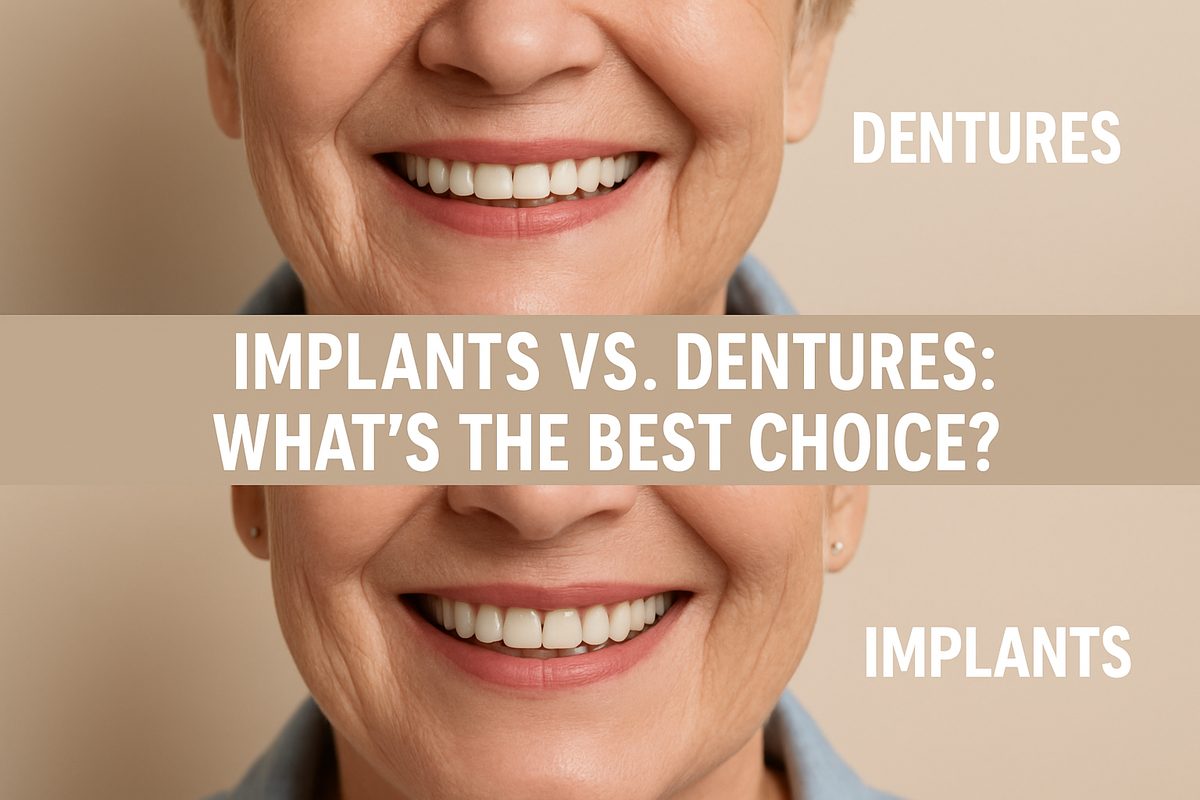
Dentures implants are dental implants that hold or support a denture instead of the denture relying only on suction or adhesive. People consider dentures implants when their dentures slip, chewing is hard, speech is affected, or the jawbone has started to shrink. Unlike traditional dentures that sit on the gums, implant options can feel and function much more like natural teeth. This post will explain what dentures implants are, the types available, who is a good candidate, the treatment process, costs and risks, and how to decide if they are right for you.
What Are Dentures Implants?
Dentures implants are small titanium posts placed into the jawbone that act as anchors for a denture. The denture attaches to the implants using connectors called abutments. There are two main approaches: implant-retained overdentures that snap on and off, and implant-supported fixed dentures that are screwed or cemented in place and are not removed daily. Terms to know: implant post (the titanium screw), abutment (the connector), overdenture (a removable denture that fits over implants), and fixed hybrid prosthesis (a non-removable full-arch denture attached to implants).
Types of Dentures Implants
Implant-Retained Overdentures
Overdentures usually snap onto two to four implants. They are removable by the patient for cleaning but are far more stable than traditional dentures. This option is common for lower jaws, where regular dentures often lack suction and move during eating or talking. Overdentures improve comfort and reduce gum irritation.
Implant-Supported Fixed Dentures (All-on-4 / All-on-6)
Fixed full-arch solutions attach to four or more implants and act like permanent teeth. Patients cannot remove these daily; the dentist removes them only when needed. All-on-4 or All-on-6 systems can sometimes be placed with immediate-load options so you get temporary teeth the same day, while other cases use a staged approach with a healing period before final teeth are attached.
Hybrid and Partial Options
Not every patient needs a full arch. Hybrid options combine implants with partial dentures or single-tooth implants beside removable partials. Materials vary: acrylic is lighter and less costly, porcelain looks more natural and resists staining. Your dentist will recommend the best mix of durability, esthetics, and budget for your needs.
Benefits of Dentures Implants
– Improved chewing and speech compared with conventional dentures.
– Stronger bite force lets you eat a wider range of foods.
– Reduced slippage and fewer adhesive needs.
– Preservation of jawbone: implants stimulate bone and slow bone loss.
– Longer-lasting solution when maintained properly.
– Better comfort and confidence, which can improve nutrition and quality of life.
Who Is a Good Candidate?
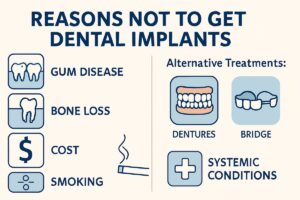
Good candidates are generally in good overall health, have healthy gums, and enough jawbone or are willing to have bone grafting. Heavy smoking, uncontrolled diabetes, or certain medications (like some osteoporosis drugs) can reduce implant success. Age alone is not a barrier. A personalized exam and imaging are required to determine if dentures implants Denver, CO options will work for you.
The Treatment Process: What to Expect
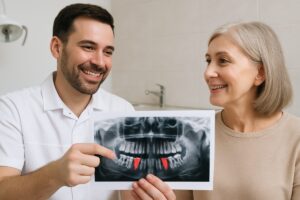
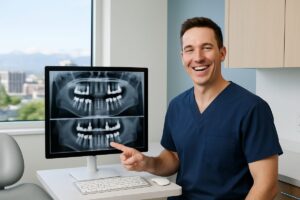
– Consultation and imaging: X-rays or CBCT scans to evaluate bone and plan implant positions.
– Treatment planning: decide on overdenture vs fixed option, number of implants, and materials.
– Implant placement surgery: implants are placed in the jaw under local or sedation anesthesia.
– Healing/osseointegration: bone fuses to the implant over a few months (often 3–6 months). Some cases qualify for same-day temporary dentures.
– Attachment of abutments and denture: after healing, connectors are placed and final prosthesis is attached.
– Follow-ups and adjustments: several visits to fine-tune fit and function.
Costs, Financing, and Insurance
Costs depend on number of implants, type of denture, materials, any bone grafting, lab fees, and the provider’s experience. Prices vary widely; implant-supported options cost more than traditional dentures but can last much longer. Payment choices include dental financing, in-office payment plans, third-party lenders, and partial dental insurance coverage. Be wary of unusually low offers—experience and proper technology often mean better long-term value.
Risks, Complications, and Aftercare
Possible risks include infection, implant failure, peri-implantitis (inflammation around implants), and mechanical wear of the denture. Watch for persistent pain, swelling, loose implants, or changes in bite, and contact your dentist if these occur. Aftercare includes good oral hygiene, cleaning attachments, quitting smoking, routine dental visits, and professional cleanings made for implants. Simple home care—brushing, interdental cleaning, and rinsing—helps preserve implant health.
How to Choose a Provider for Dentures Implants
Look for providers with implant training, clear before-and-after photos, strong reviews, and modern tools like digital scanning and an on-site lab. A practice that offers sedation and coordinates surgery and prosthetic work can simplify care. For example, Sloan’s Lake Dental in Denver offers full-mouth implant care, iTero digital scanning, an in-house lab for faster restorations, sedation options, and doctors with advanced implant credentials—helpful features to look for when exploring dentures implants Denver, CO.
Questions to Ask at Your Consultation
– How many implant-supported dentures have you placed?
– Am I a candidate for same-day teeth?
– What is the full cost and what’s included?
– What are the financing options?
– Who will perform the surgery and who will deliver the prosthetic?
– What are the risks and success rates for my health profile?
Next Steps: Is Dentures Implants Right for You?
If you have loose dentures, trouble eating, or want a long-term, natural-feeling solution, schedule a consultation with an implant team. Gather recent dental records, X-rays if available, and a list of medications before your visit. A qualified provider can review dentures implants Denver, CO options, assess your health and bone, and create a personalized plan that balances function, looks, and cost. Contact a trusted implant team to learn what’s possible and get a clear plan for better chewing, comfort, and confidence.