Dental implants replace missing teeth with titanium posts and crowns that act like natural teeth. They work well for many people, but they are not right for everyone. This article examines common reasons not to get dental implants in Denver, so you can weigh the risks, costs, and alternatives before deciding.
Common medical reasons not to get dental implants
Active periodontal (gum) disease
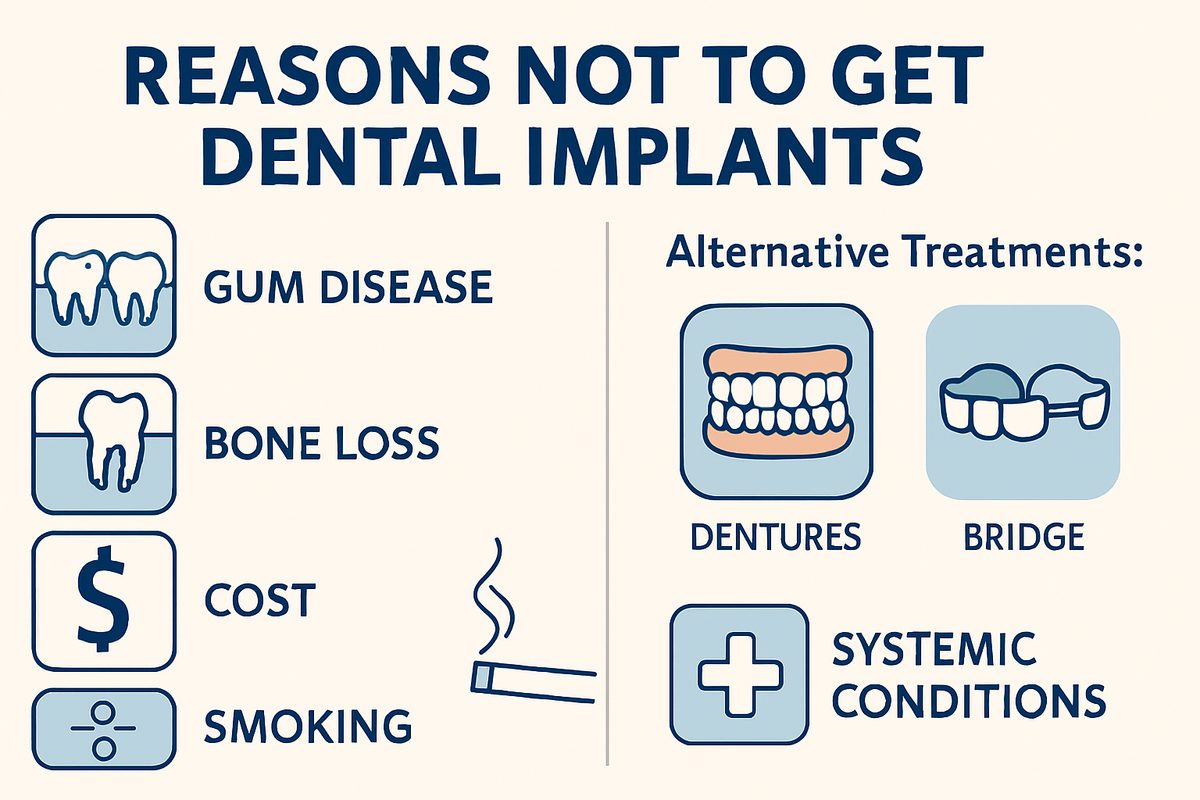
Untreated gum disease raises the chance that an implant will fail. Inflammation and infection around the gums can attack the bone and soft tissue that need to heal around an implant. Treating gum disease first—deep cleanings, improved hygiene, or periodontal care—is often required before implants are safe.
Poor bone volume or quality
Dental implants need enough healthy jawbone for stable support. If the bone is thin or soft, an implant may not fuse properly. Bone grafting or sinus lifts can fix this, but those add cost, time, and complexity. For some patients, grafting is not a good option.
Uncontrolled systemic conditions
Conditions like uncontrolled diabetes, recent cancer therapy, certain immune disorders, and medications such as some bisphosphonates increase implant complications. These issues can slow healing or increase the risk of infection. Your medical history must be reviewed and controlled before moving forward.
Heavy smoking or substance use
Smoking and some substance use cut blood flow and reduce healing, which raises failure rates. Quitting for several months before and after surgery improves outcomes. If a patient won’t or can’t quit, implants may not be the best choice.
Lifestyle and practical reasons not to get dental implants
High cost or lack of financing
Implants have higher upfront costs than bridges or dentures. They may also need specialist visits, grafts, or imaging, which adds expense. If the budget is limited or short-term solutions are preferred, a removable denture or a bridge may be a better fit.
Inability to commit to follow-up care
Implants need good daily oral hygiene and regular dental checkups. If someone cannot commit to cleaning, routine visits, or maintenance, implant health can suffer. In those cases, less permanent options that are easier to manage might be safer.
Short-term needs or uncertain future plans
Younger patients whose jaws are still changing, or anyone with uncertain plans (moving soon, medical changes), may prefer temporary solutions. Removable partials or resin-bonded bridges can protect function until implants are appropriate.
When alternative treatments are a better fit
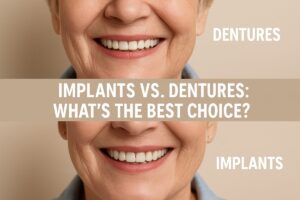
Bridges, partial dentures, full dentures, and resin-bonded options each have pros and cons. Bridges are fixed and quicker but rely on adjacent teeth. Partial dentures are cheaper and reversible, but less natural. Full dentures replace all teeth but need adjustments. Choose based on oral health, budget, and long-term goals.
Risks, complications, and realistic expectations
Implant surgery carries standard surgical risks—pain, swelling, infection—and specific issues like nerve injury or sinus problems. Bone grafts extend timelines. Most healthy patients see high success rates, but realistic planning and informed consent are vital.
Questions to ask before deciding
Ask: Am I a candidate? What alternatives exist?
What are the success rates for my case?
What are the total costs and follow-up needs?
Who will perform each step (surgery, restoration)?
Clear answers help you weigh the reasons not to get dental implants.
How Sloan’s Lake Dental helps patients weigh reasons not to get dental implants
Sloan’s Lake Dental uses a team approach to evaluate each patient. Our doctors include an Associate Fellow of the American Academy of Implant Dentistry and experienced restorative dentists. We use iTero digital scans, an in-house lab, advanced imaging, and sedation options to assess risk and create tailored plans. We present implant and non-implant options so you can choose what fits your health and life.
Next steps and call to action
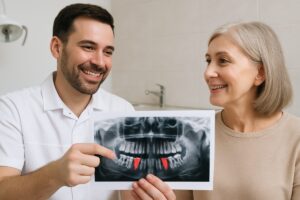
For a personalized exam and answers about reasons not to get dental implants in Denver, bring a list of medications and past dental records. Schedule a consult to review images, candidacy, costs, and alternatives. Book a visit to decide whether implants or another solution is best for you.