If you’re researching dentists who do implants, you want clear answers about how implants work, who qualifies, what to expect, and how to find experienced providers who can deliver life-changing smiles. This guide explains the basics of dental implants, the different treatment options, the typical process and recovery, risks and success rates, and practical tips for finding dentists in Denver who offer implants and meet high standards of care. By the end, you’ll know the main implant types, what makes a good candidate, questions to ask at a consultation, cost factors and financing, and how to choose dentists who do implants in Denver that fit your needs and comfort level.
What Are Dental Implants?
Dental implants are small titanium fixtures placed into the jawbone that act like tooth roots. An implant has three parts: the implant fixture (in the bone), the abutment (connects the fixture to the visible tooth), and the crown, bridge, or denture that restores function and appearance. Unlike removable dentures or traditional bridges, implants are fixed and integrate with bone. Benefits include stable chewing, improved speech, preservation of jawbone, and a natural-looking smile that boosts confidence.
Who Is a Good Candidate for Implants?
Oral and overall health factors
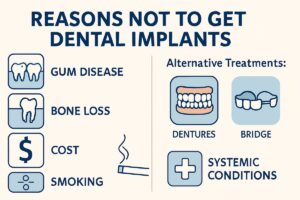
Good candidates usually have healthy gums and enough jawbone to support an implant. Chronic conditions like uncontrolled diabetes, certain autoimmune diseases, or heavy smoking can affect healing and increase risk. Your medical history matters because some medications and health conditions can affect how bone heals. A dentist will evaluate gum health, bone volume with imaging, and review health conditions before recommending implants.
Age and lifestyle considerations
Adults of many ages can get implants if their health supports healing. There’s no strict upper age limit, but lifestyle choices matter. Smoking, poor oral hygiene, or heavy alcohol use raise the chance of complications. Committing to regular dental visits and good home care is key to long-term success, so candidates should be prepared to maintain their oral health.
Types of Implant Solutions
Single-tooth implants replace one missing tooth and look and function like natural teeth. Implant-supported bridges span gaps when several teeth are missing and avoid altering healthy neighboring teeth. Full-arch options, including All-on-4-style solutions, replace an entire upper or lower set of teeth using a few strategically placed implants. Single implants are common for isolated tooth loss; bridges are suitable for multiple adjacent missing teeth; full-arch solutions are recommended for patients who need complete mouth restoration and want a fixed result.
What to Expect: The Implant Process
Consultation and planning
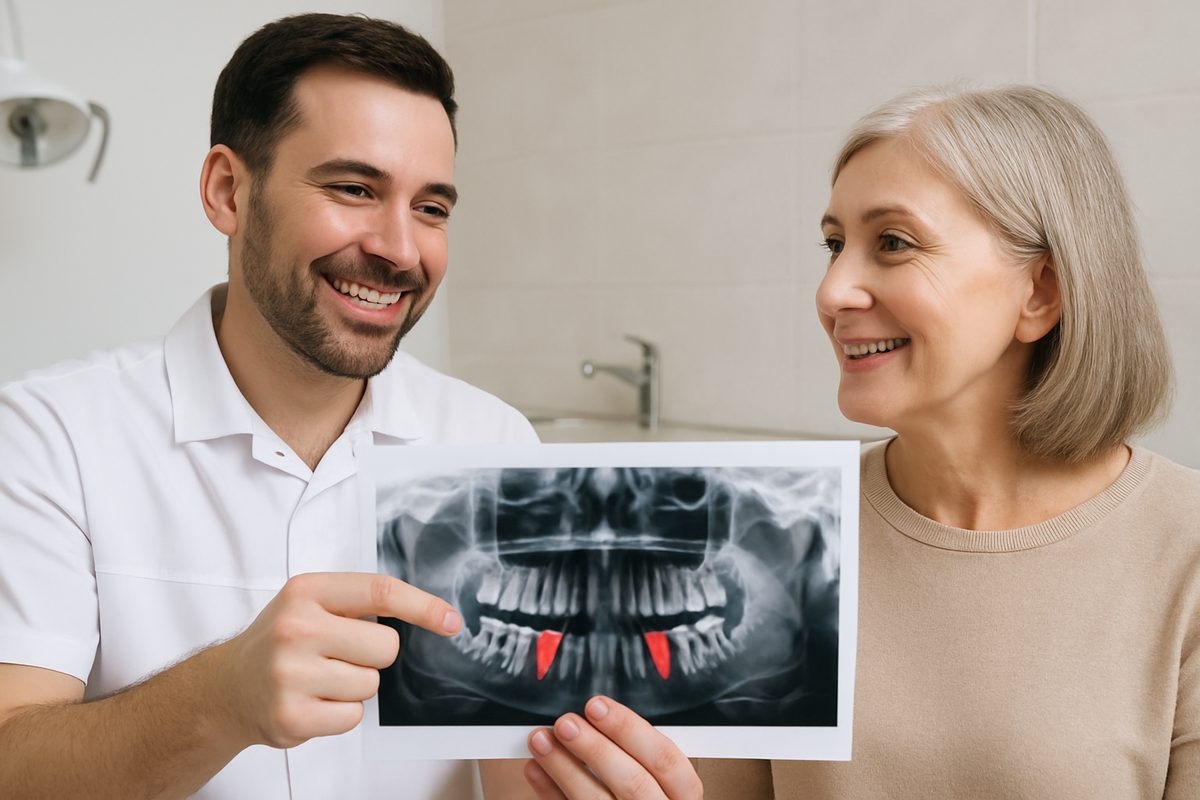
Your first visit includes an exam, X-rays or 3D imaging, and a review of medical history. The dentist creates a treatment plan that covers the number of implants, the need for extractions, bone grafts, or sinus lifts, and the type of restoration. Digital scans and models help plan precise implant placement and final tooth shape.
Surgery, healing, and restoration
Implant placement is a minor surgical procedure done with local anesthesia and optional sedation for comfort. After surgery, the implant integrates with bone through a process called osseointegration, which takes several months. Temporary teeth may be used during the healing period. Once integrated, an abutment and custom crown, bridge, or full-arch prosthesis are attached. Sedation options can include nitrous oxide, oral sedation, or IV sedation, depending on the case and patient anxiety.
Risks, Success Rates, and Longevity
Common risks include infection, implant failure, nerve injury, or poor placement. Overall success rates are high—typically above 90–95% for healthy patients—when proper planning and care are used. Long-term success depends on good oral hygiene, regular dental checkups, avoiding smoking, and addressing medical conditions that affect healing. If problems arise, many issues are treatable if caught early.
How to Find Dentists Who Do Implants
Use this checklist when evaluating providers:
– Verify training and credentials, such as implant fellowships or membership in implant organizations.
– Ask how many implants the dentist has placed and review before-and-after photos.
– Check patient reviews and testimonials.
– Confirm use of modern tools: 3D imaging, digital scanning, and guided implant surgery.
– Ask about in-house labs for faster, precise restorations and whether they use high-quality materials.
– Confirm sedation options and pain management protocols.
– Request clear pricing, what’s included, and whether they offer consultations to explain options.
For local care, search specifically for dentists who do implants in Denver to compare providers and find those with experience in cases similar to yours.
Costs and Financing Options
Costs vary by number of implants, need for bone grafts or extractions, material quality, and lab work. A single implant and crown typically costs more than a bridge upfront, but can be more durable long-term. Patients pay through dental insurance (coverage varies), financing companies, CareCredit, or in-house payment plans. Be wary of unusually low offers; quality materials and experienced clinicians are key to long-lasting results.
Frequently Asked Questions
Does it hurt?
Most patients report manageable discomfort controlled with local anesthesia and short-term pain medication. Sedation reduces anxiety and awareness during the procedure. Post-op soreness and swelling are common but temporary.
How long do implants last?
With good care, implants can last decades. Crowns may need to be replaced over time, but the implant fixture itself can last a lifetime for many patients.
Can anyone get implants?
Not everyone. Candidates need adequate bone and good overall health. Some conditions require medical management or additional procedures, such as bone grafts, before implants are possible.
What if I need a bone graft?
Bone grafting builds lost bone so an implant can be placed. It adds time and cost but is common and often successful. Your dentist will explain timelines and options.
Why Consider Sloan’s Lake Dental for Implants
Sloan’s Lake Dental offers full-suite implant care, including modern tools such as iTero digital scanning and an in-house dental laboratory, for precise restorations. Their team includes doctors with implant training and extensive continuing education, bringing a collaborative, patient-first approach to smile restoration. They provide sedation options and work to make treatment comfortable, predictable, and tailored to each patient’s goals.
Next Steps: Booking a Consultation
Bring any recent dental records and a list of medications to your first visit. Ask for a full treatment plan, a breakdown of costs, and to see before-and-after photos of similar cases. Questions to ask: How many implants have you placed? Do you use 3D imaging and guided surgery? What sedation options are available? To learn your personalized implant plan, schedule a consultation with dentists who do implants in Denver and get a clear path to a secure, life-changing smile.