If you’re asking “what are the steps for getting a tooth implant in Denver, CO,” this clear, step-by-step guide will walk you through what to expect from your first visit to the final crown. Knowing each stage helps set realistic timelines (often several months), comfort options (local anesthesia to sedation), and likely outcomes so you can plan work, travel, and finances with confidence.
Quick overview: What is a tooth implant?
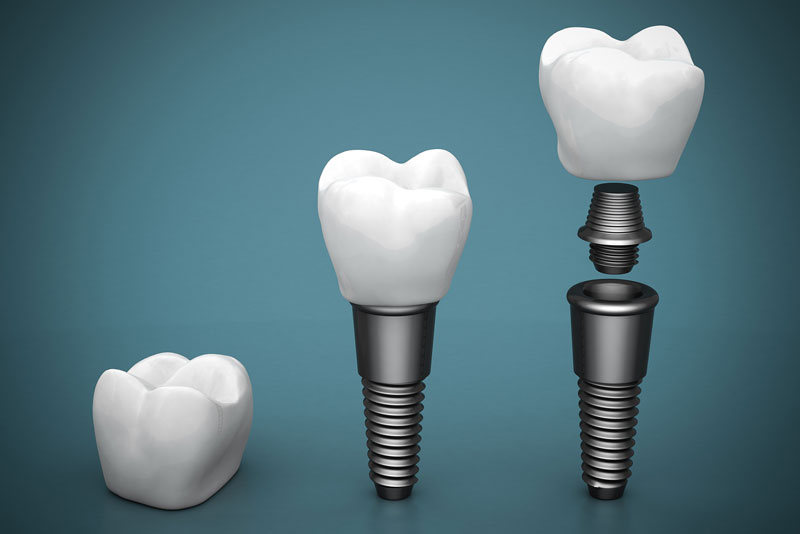
A tooth implant is a titanium post placed into the jaw to replace a tooth root. Three main parts make up the final result: the implant (the post), the abutment (connector), and the crown (the visible tooth). People choose implants for strength, natural feel, and long-term durability compared with bridges or dentures.
Step 1 — Consultation & treatment planning
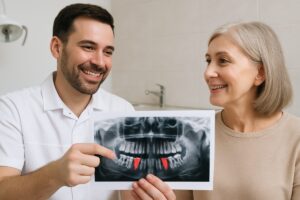
Your first visit includes a medical and dental history, an exam, and digital imaging like iTero® scans or CBCT 3D X-rays. The dentist reviews options, checks bone volume, and creates a personalized plan that lists steps, timing, and costs. Expect a discussion about anesthesia, provisional teeth, and follow-up visits.
Step 2 — Preparatory treatments (if needed)
Some patients need extractions, bone grafts, or sinus lifts before an implant can be placed. Infected teeth must be treated first. These preparatory procedures add weeks to months to the timeline because bone and gums must heal before implant placement for a stable result.
Step 3 — Implant placement surgery
Implant surgery is usually performed with local anesthesia plus optional sedation for comfort. The implant is placed into the jawbone through a small incision. Some cases allow immediate loading (a temporary crown the same day); others need delayed loading until the implant integrates. During surgery you may feel pressure but not sharp pain.
Step 4 — Healing and osseointegration
After placement the implant bonds to bone in a process called osseointegration. This typically takes 2–6 months depending on bone quality and health. You’ll have follow-up visits to check healing. Normal signs: mild swelling, light soreness, and steady improvement. Concerning signs: increasing pain, heavy bleeding, fever, or implant mobility — contact your dentist right away.
Step 5 — Abutment and final restoration
Once integrated, the abutment is attached to the implant and impressions or digital scans are taken for the final crown. Many practices use an in-house dental lab for faster, precise restorations. The final crown is fitted, adjusted for bite and comfort, and cemented or screwed into place.
Factors that affect timeline and success
Health factors like smoking, uncontrolled diabetes, poor oral hygiene, and low bone density can slow healing or reduce success rates. The skill and experience of the clinician and modern tools (CBCT, digital scans) also influence outcomes. Following post-op instructions raises your chance of long-term success.
Recovery, expected costs, and insurance basics
Recovery typically includes 48–72 hours of soreness and a few weeks for gum healing. Costs vary by the number of implants, need for grafts, and materials; a single implant often ranges widely depending on region and lab fees. Many practices offer financing; dental insurance may cover parts of the procedure but often not the full implant cost.
Common patient FAQs
- Does it hurt?
- Most patients report manageable soreness controlled with medication and cold packs.
- How long do implants last?
- With good care, implants can last decades or a lifetime.
- Am I a candidate?
- Good general health and sufficient bone are key — a consult and scans determine candidacy.
- How do I care for an implant?
- Brush, floss, and see your dentist regularly; avoid smoking and hard impacts.
Why consider Sloan’s Lake Dental for implants
Sloan’s Lake Dental offers experienced clinicians, iTero® digital scanning, sedation options, and an in-house dental laboratory for precise, faster restorations. The team focuses on minimally invasive techniques and clear communication to make implant care comfortable and predictable.
Ready to review a personalized plan and timeline for your implant? Schedule a consultation with Sloan’s Lake Dental to go over your options, expected steps, and comfort choices so you can move forward with confidence.