Choosing the right tooth replacement options can feel overwhelming. This guide walks through common tooth replacement options and compares dental implants with dental bridges, dentures, and newer solutions. Our goal is to help you understand pros, cons, and what matters most so you can pick the best tooth replacement option for your needs and lifestyle.
Common Teeth Placement Options: Quick Overview
– Single-tooth dental implants — A titanium post and tooth crown replace one tooth. Pro: long-lasting and preserves bone. Con: higher upfront cost. – Implant-supported crowns/bridges — Dental implants support multiple teeth. Pro: stable and natural-feeling. Con: more surgery than traditional dental bridges. – All-on-4 / full-arch implants — Fixed full-arch teeth on 4+ implants. Pro: replaces a full jaw with strong function. Con: larger procedure and cost. – Traditional dental bridges — Fixed replacement anchored to neighboring teeth. Pro: faster and cheaper than dental implants. Con: requires altering adjacent teeth and can speed bone loss. – Removable partial dentures — Clip-in prosthesis for several missing teeth. Pro: low cost and easy to adjust. Con: less stable and can affect speech/comfort. – Full dentures — Replace an entire arch of teeth. Pro: affordable and quick. Con: bone loss over time and less chewing power.
Dental Implants: What They Are and Why They Work
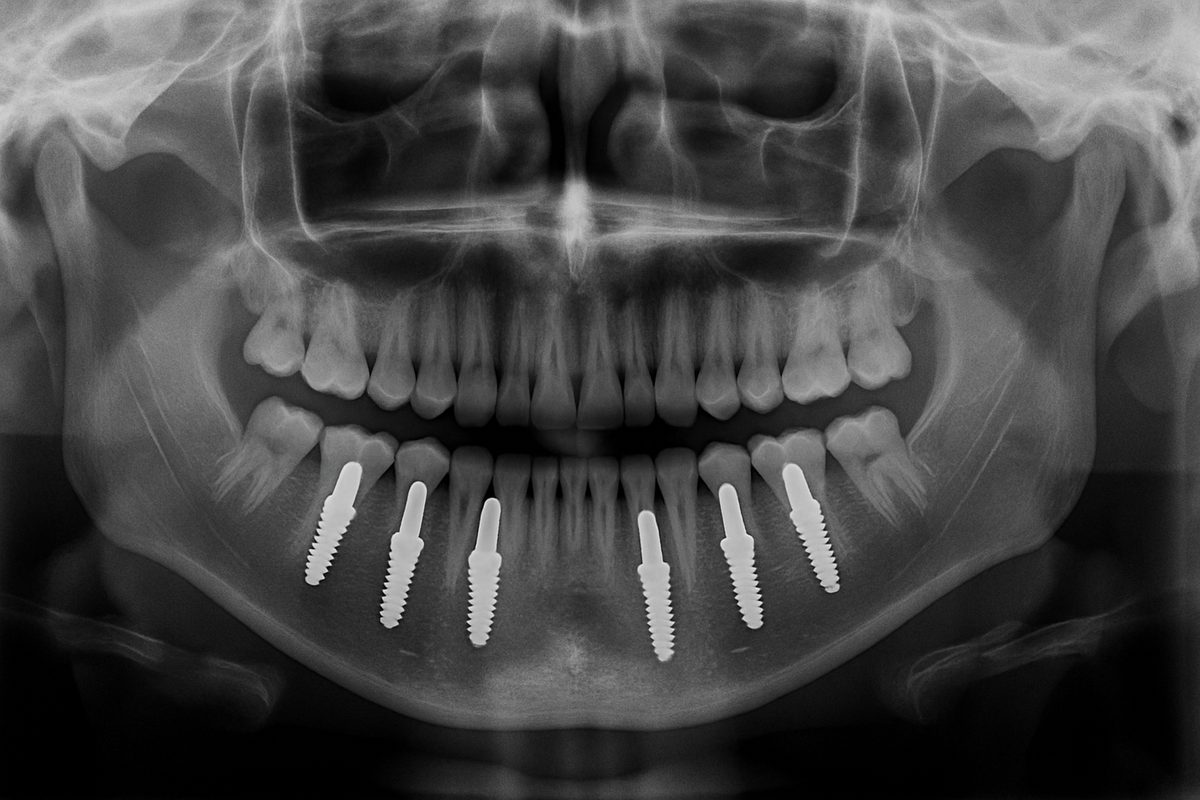
Dental implants are titanium posts placed into the jaw to act like tooth roots, topped with a tooth crown or dental bridge. Dental implants restore chewing power, feel and look like natural teeth, and help preserve jawbone. With good care, dental implants often last 15–30+ years. Maintenance includes regular brushing, flossing, and dental checkups.
Types of Dental Implants and Placement Techniques
Single dental implants replace one tooth; multiple dental implants support bridges; All-on-4 or All-on-X replace full arches. Mini dental implants are smaller posts for limited support or narrow spaces. Immediate placement means a dental implant is placed right after extraction; delayed placement waits for healing or grafting. Choice depends on bone volume, health, and how many teeth are missing.
Dental Bridges and Dentures: When They’re Better Choices
Fixed dental bridges suit patients missing one or a few teeth and want a non-removable option without surgery. Removable partials are budget-friendly for multiple gaps. Full dentures are best when most or all teeth are gone and cost is a primary concern. Downsides include accelerated bone loss, need for adjustments, and less biting strength compared with dental implants.
How to Decide: Factors That Determine the Best Teeth Placement
Oral health and bone volume
Sufficient bone and healthy gums favor dental implants; low bone may need grafting or tilt toward dentures.
Number and location of missing teeth
Isolated gaps often suit single dental implants; full-mouth loss may be best treated with All-on-4 or dentures.
Budget, timeline, and insurance
Dental bridges and dentures are quicker and cheaper upfront; dental implants cost more but last longer. Insurance may cover parts of some options.
Aesthetic and functional goals
If you want the most natural look and chewing ability, dental implants typically win.
What to Expect: Treatment Process and Recovery
Typical steps: consultation and digital scans, any bone grafting if needed, dental implant surgery, healing (osseointegration) for several months, then final restoration. Recovery is usually a few days of soreness, with full healing over months. Follow care instructions, avoid smoking, and attend follow-up visits.
Costs, Insurance, and Financing Options for Dental Implant Placement
Costs vary widely: single dental implants often cost more than dental bridges; full-arch dental implant solutions are the highest. Dental insurance may cover part of tooth crowns or dental bridges but often not the dental implant post. Many practices offer in-house financing, third-party plans, or phased treatment to spread cost. Beware unusually low offers that skip diagnostic steps or use inferior materials.
Choosing a Provider for Dental Implant Options
Look for dental implant training and credentials, a digital workflow (like iTero® scans), an in-house lab for precise restorations, sedation options, clear treatment plans, and before/after examples. Good communication and transparent pricing matter.
Considering Teeth Placement? Contact Us Today
If you’re exploring tooth replacement options in Denver, CO, schedule a consultation to review your scans and options. Sloan’s Lake Dental offers dental implant options, an in-house lab, advanced digital scanning, and sedation to simplify complex cases. A personalized exam will clarify timelines, likely costs, and the best plan for your smile.