Many people type “dentist procedure” when they want a clear, step-by-step look at dental implants. This guide explains what implants are, how a typical dentist procedure goes, and what recovery looks like. Read on for an easy overview so you know what to expect before your consultation for a dentist procedure in Denver, CO.
What Are Dental Implants?
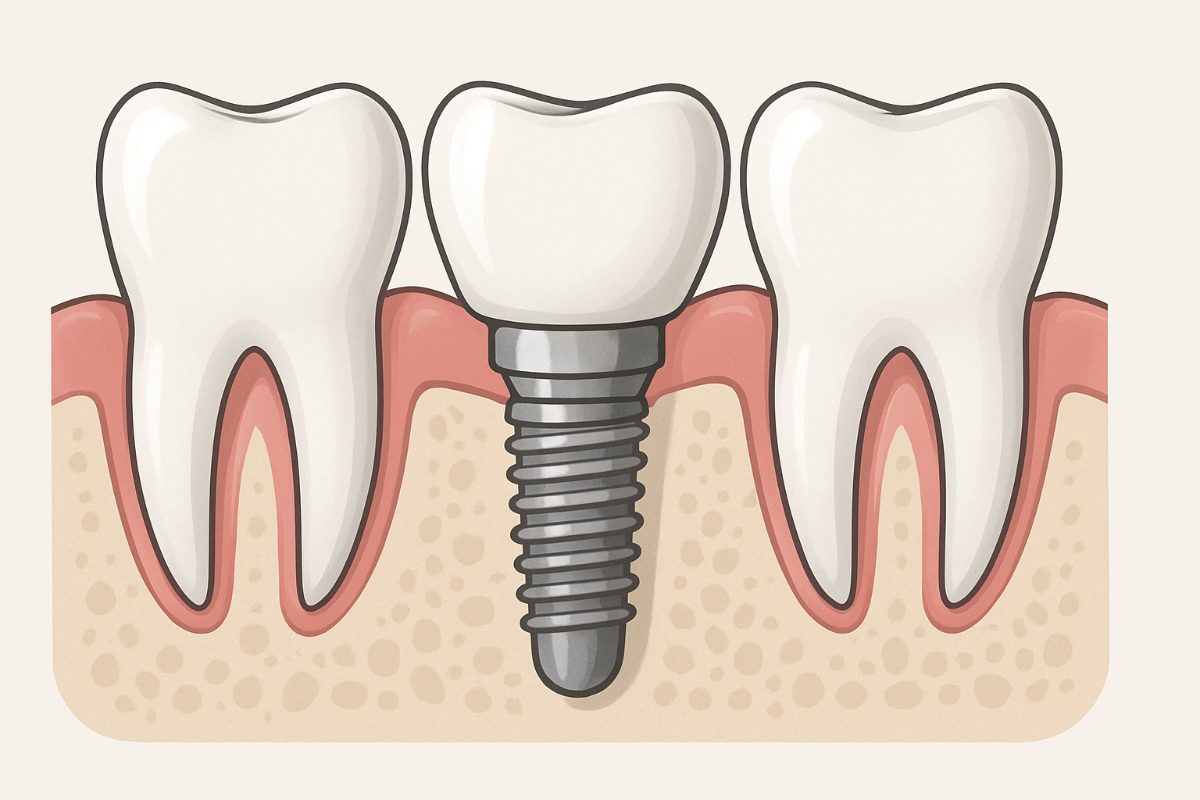
Dental implants are artificial tooth roots made of titanium that anchor replacement teeth. There are three main parts: the implant (root), the abutment (connecter), and the crown (visible tooth). Implants differ from bridges, which use nearby teeth for support, and from dentures, which are removable prostheses.
Step-by-Step: The Typical Dentist Procedure for Dental Implants
Consultation and treatment planning
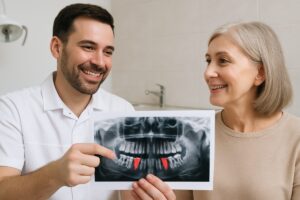
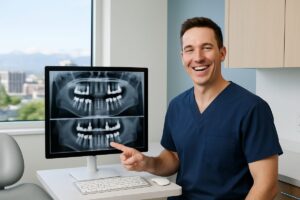
The process begins with an exam, X-rays or a 3D scan, and digital impressions. Your dentist maps the jaw, checks bone level, and creates a personalized plan. This appointment answers questions about timing, costs, and whether bone grafting is needed for a dentist procedure in Denver, CO.
Implant placement surgery
Surgery is usually done with local anesthesia and optional sedation. The dentist makes a small incision, places the implant into the jawbone, and covers it with gum tissue. The procedure often takes 30–90 minutes per implant depending on complexity.
Healing and osseointegration
Healing lets the bone fuse to the implant, a process called osseointegration. This typically takes several weeks to a few months. Normal signs include mild swelling and light soreness. Strong pain, growing redness, or heavy bleeding should be reported right away.
Abutment and final restoration
Once fused, the dentist attaches an abutment and takes final scans or impressions. A custom crown, bridge, or denture is then made and secured. The final step restores chewing and appearance.
Who Is a Good Candidate for Implants?
Good candidates are in generally good health, have adequate bone volume, and healthy gums. Smoking, uncontrolled diabetes, or poor oral hygiene can affect success. If bone is lacking, bone grafts or sinus lifts can make implants possible for more people.
What to Expect During Recovery and Aftercare
Expect swelling, bruising, and mild discomfort for a few days. Use ice, follow pain-management instructions, and eat soft foods. Maintain gentle oral hygiene and avoid smoking. Most people return to normal activities within a few days, while full bone healing continues for months.
Risks, Complications, and How Your Dentist Manages Them
Risks include infection, implant failure, and rare nerve or sinus issues. Modern planning with 3D imaging, sterile technique, and regular follow-up visits helps reduce these risks. Early detection and prompt care improve outcomes.
Why Choose a Practice With Advanced Tech and an In-House Lab
Advanced tools like iTero digital scanning and an in-house dental lab speed up care and improve fit and accuracy. Sloan’s Lake Dental uses digital scans, sedation options, advanced surgical tools, and an in-house lab for precise restorations. Dr. Sage Pollack’s implant training adds expertise without heavy promotion.
Next Steps: How to Prepare for Your Consultation
Bring a list of medications, medical history, and photos of your smile. Ask about success rates, timelines, sedation choices, costs, and financing. If you’re ready, call to schedule a consult and discuss the dentist procedure in Denver, CO with your care team.