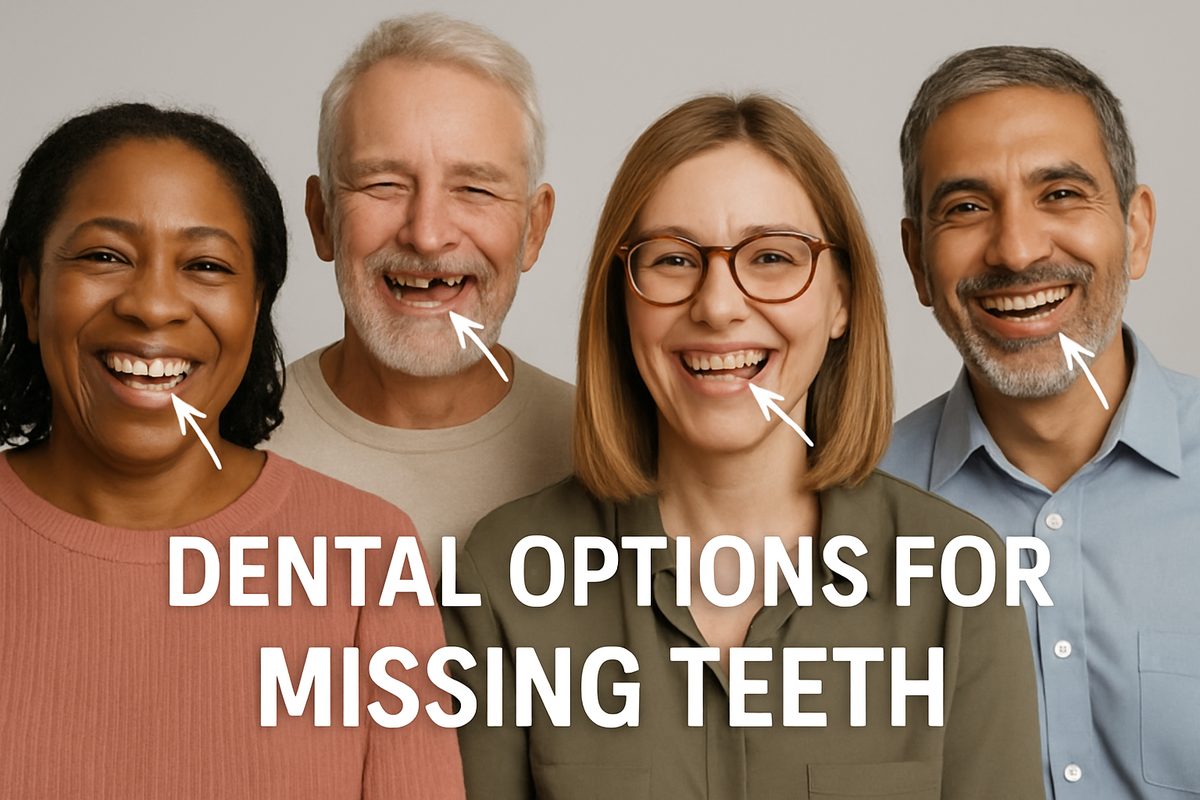
Losing a tooth raises choices. When you search for dental options for missing tooth, you’re weighing function, appearance, and long-term health. Replacing a tooth prevents shifting, bone loss, and problems chewing or speaking. Below are common choices, how to pick one, what to expect during care, and how to move forward with a clear plan.
Common dental options for missing tooth
Dental implant (single tooth)
A single-tooth implant has three parts: a titanium fixture placed in bone, an abutment, and a crown. Implants preserve jawbone, feel and act like a natural tooth, and can last decades with good care. They require surgery and months of healing but offer the best long-term stability.
Dental bridge
A traditional fixed bridge uses crowns on neighboring teeth to support a false tooth. A cantilever bridge attaches on one side only. Bridges are quicker than implants and don’t require surgery, but they need altering adjacent teeth and don’t stop bone loss where the tooth is missing.
Removable partial denture
Partials can be acrylic or metal-based and clip onto remaining teeth. They are cost-effective and replace one or several teeth. Downsides include less stability, possible bulkiness, and more maintenance than fixed solutions.
Resin-bonded (Maryland) bridge & temporary flipper
A Maryland bridge bonds a false tooth to adjacent teeth with minimal enamel removal. A flipper is an inexpensive temporary denture. Both are conservative and serve well as short-term or lower-cost options, but they are less durable than implants or fixed bridges.
Orthodontic space closure
In some cases, moving teeth to close the gap with braces or aligners is an option. This avoids replacement but changes tooth positions and bite. It’s best for select cases where function and appearance can be maintained.
How to choose the best dental option for your situation
Oral health and bone support
Strong bone and healthy gums favor implants. If bone is thin or gums inflamed, you may need grafting or periodontal care first. Adjacent tooth health affects whether a bridge is a good choice.
Function and appearance goals
If you want chewing strength and a natural feel, implants are top choice. Bridges and bonded options can match appearance well but differ in durability. Partials restore appearance quickly but may not match natural function.
Time, cost, and long-term outlook
Implants take longer and cost more up front but often save money over time due to longevity. Bridges are faster and usually cheaper initially. Partials and flippers are least expensive but may need replacement more often.
Medical history and comfort
Certain health conditions, medications, or smoking can affect healing and implant success. Sedation options can help anxious patients; discuss medical history with your dentist to plan safely.
What to expect during treatment and recovery
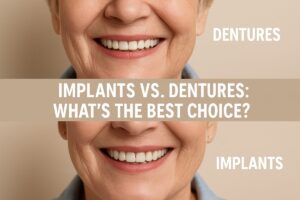
Timeline for implants vs. bridges vs. dentures
Implants: extraction (if needed), implant placement, healing (3–6 months), and final crown. Bridges: tooth prep and crown placement over a few weeks. Partials/flippers: made and delivered in days to weeks.
Pain management and follow-up
Local anesthesia and sedation options reduce discomfort. Mild pain or swelling after surgery is normal and managed with meds and cold packs. Regular follow-ups ensure healing and proper fit.
Costs, insurance, and payment options
Costs vary: implants typically highest, bridges mid-range, partials lowest. Many dental plans cover portions of bridges and dentures; implant coverage is growing but limited. Ask about financing, third-party plans, or in-office payment options.
Why choose a full-service dental team for dental options for missing tooth in Denver, CO
Benefits of integrated care
A team that provides implants, restorations, and sedation under one roof simplifies communication and scheduling. Coordinated care reduces errors and speeds treatment.
Key technologies that improve outcomes
Digital scanning, in-house labs, and advanced implant tools improve accuracy and comfort. Sedation options make longer procedures easier for patients.
How to move forward: consultation checklist
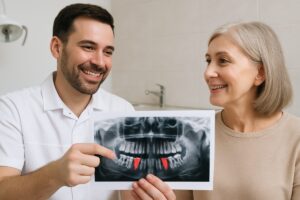
Bring recent X-rays, a list of medications, and your goals. Ask about implant experience, timelines, costs, and sedation. A personalized plan will outline options, any preparatory work, and expected recovery. If you’re ready for tailored advice, schedule a consult with Sloan’s Lake Dental to review dental options for missing tooth in Denver, CO and find the best path for your smile.