Fake teeth can mean dental implants, crowns and bridges, or removable dentures. If you’re asking “how long do fake teeth last in Denver, CO,” this article gives practical averages, care tips, warning signs, and local next steps. You’ll see typical lifespans by type, what shortens them, ways to extend service life, and when to schedule a check with a Denver dentist.
How long do fake teeth last in Denver, CO? Average lifespans by type
Dental implants
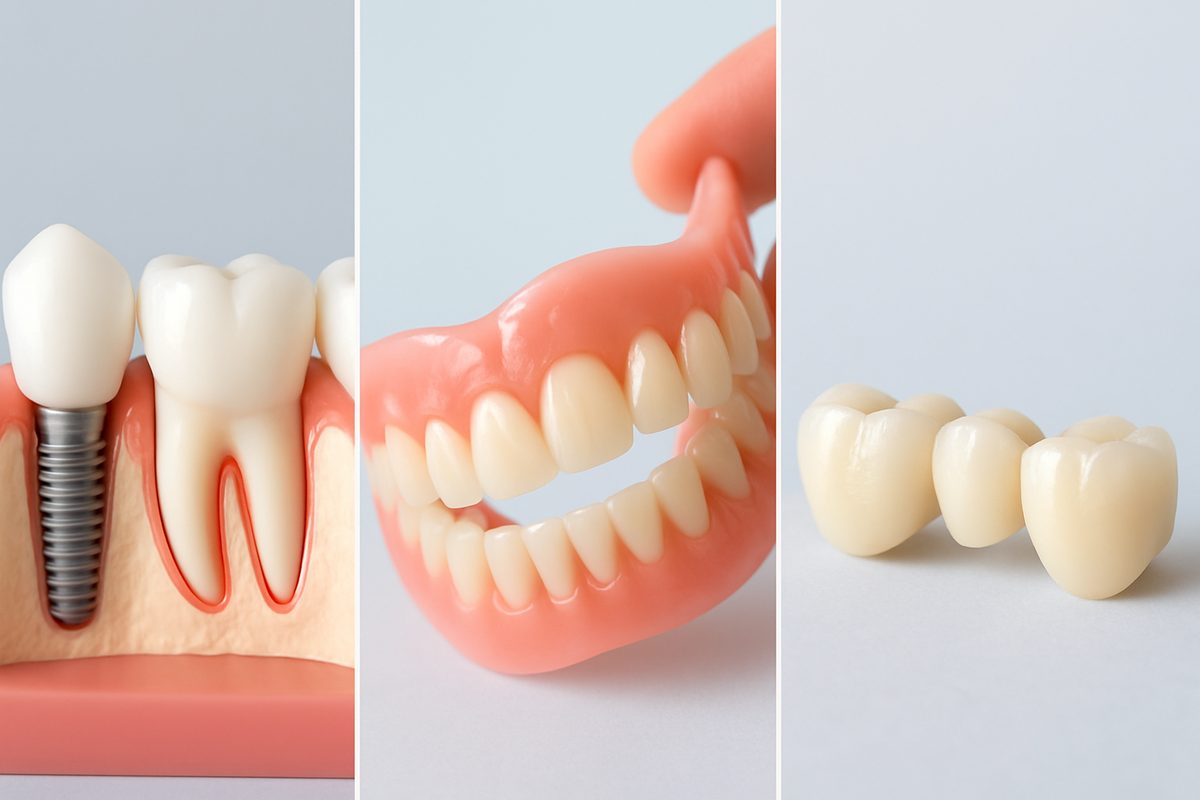
Dental implants (the titanium post plus a crown) are the longest‑lasting option. The implant post can last 20 years or longer with good oral health and regular maintenance. Implant crowns typically require replacement every 10–15 years, depending on the wear and bite forces. For patients in Denver, CO, local factors such as access to regular care and dry mountain air don’t alter the implant’s core longevity if proper care is followed.
Fixed bridges and crowns
Crowns and fixed bridges typically last 8 to 15 years on average. High-quality ceramics and proper bite adjustments can push that toward 15 years or more. Problems such as decay at the crown margin, failed cement, or a poorly fitting bridge can shorten the life of a restoration. Denver patients should expect periodic replacement and evaluation every few years.
Removable dentures (full and partial)
Removable dentures wear faster. Full and partial acrylic dentures often need relines every 2–3 years and replacement every 5–8 years. Metal-based partials can last longer but still require adjustments as the jawbone and soft tissue change over time. Frequent relines are common among Denver residents who have experienced long-term tooth loss.
Key factors that change how long fake teeth last
Material and lab quality
Materials matter: Zirconia and high-strength ceramics resist chips and stains more effectively than basic porcelain or acrylic. Metal cores under crowns add strength. Work from a precise in‑house or reputable lab improves fit and longevity.
The clinician and technique
Experience matters. Proper implant placement, accurate impressions (digital scans), and correct cement or screw protocols reduce complications. Advanced imaging and skilled clinicians help Denver patients get longer‑lasting restorations.
Oral health and habits
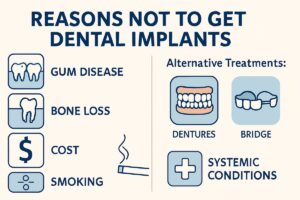
Gum disease, teeth grinding (bruxism), smoking, poor diet, and medical conditions like diabetes all shorten lifespan. Treating gum disease, quitting tobacco, and managing medical issues help protect restorations.
How to extend how long fake teeth last in Denver, CO
Daily at-home care
Brush twice daily, floss around bridges and implants, and use denture cleaners as directed. For implants, use interdental brushes and low‑abrasive toothpaste. Consistent home care helps prevent decay and gum problems that can lead to failures.
Professional maintenance
See your dentist every 3–6 months for exams and cleanings. Dentists can spot issues early, reline dentures, polish crowns, and tighten implant screws before small problems become replacements.
Protective measures
Use night guards for bruxism, avoid biting hard objects, and repair chips quickly. These steps preserve restorations and reduce costly failures.
Signs your fake teeth need repair or replacement — when to see a Denver, CO dentist
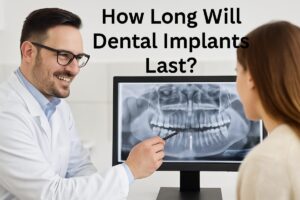
Look for signs of pain, looseness, changes in bite, new sores, difficulty chewing, or noticeable cosmetic changes. During the visit, expect to undergo an exam, x-rays, or digital scans, and receive options ranging from simple repairs and relines to crown or implant replacement.
Light practice mention and local options: Sloan’s Lake Dental for durable restorations
Sloan’s Lake Dental in Denver, CO, offers implant expertise, an in-house lab, iTero digital scanning, and sedation options that support precise and comfortable care. Their team can evaluate your restorations, recommend repairs or long‑term solutions, and plan maintenance to help your fake teeth last longer. If you’re unsure how long your restorations will last, schedule a consultation in Denver, CO to review their condition and get a personalized plan.